While our veterinarians are not board-certified, they are exceptionally passionate and skilled with surgery. Have a question about a procedure? We’re here to help!
Call: (253) 503-0086
Text: (253) 766-5535
Email: [email protected]
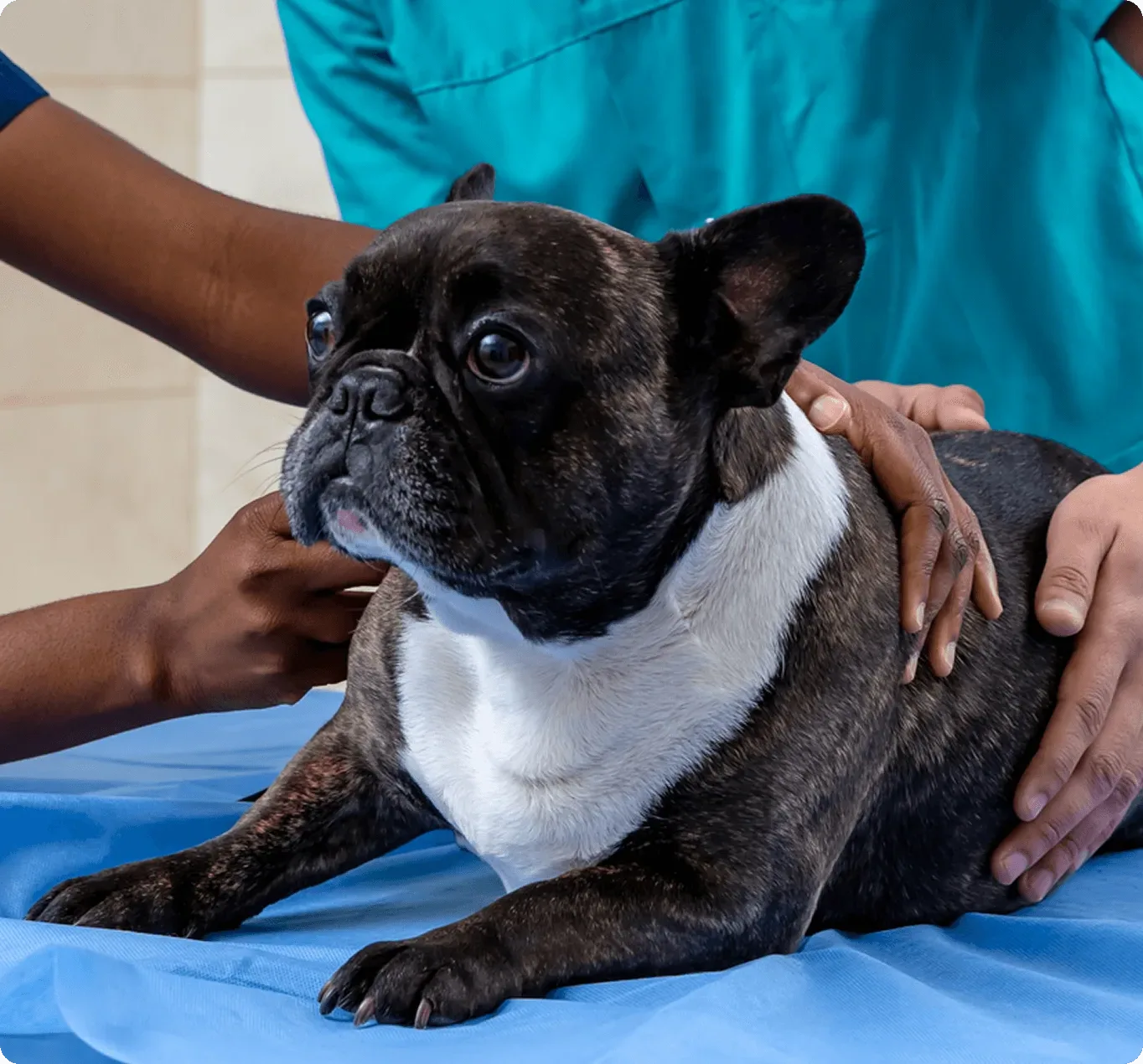
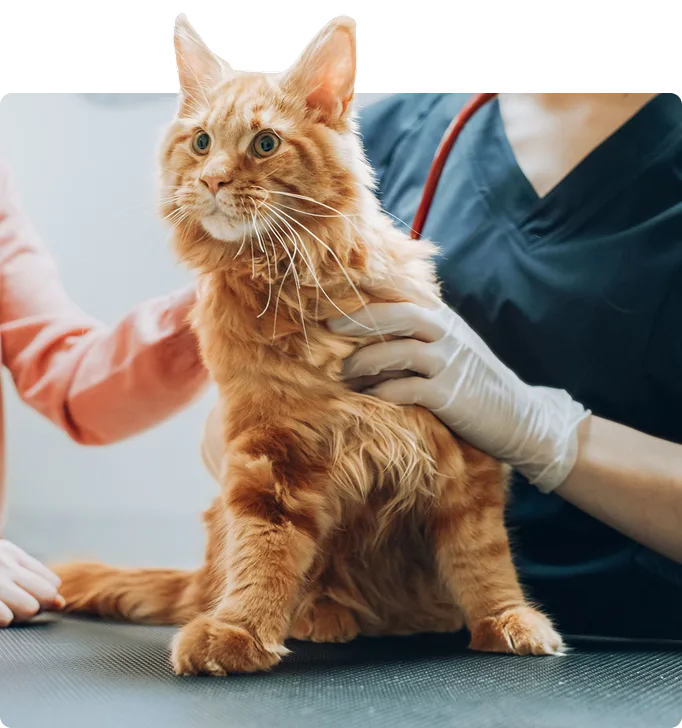
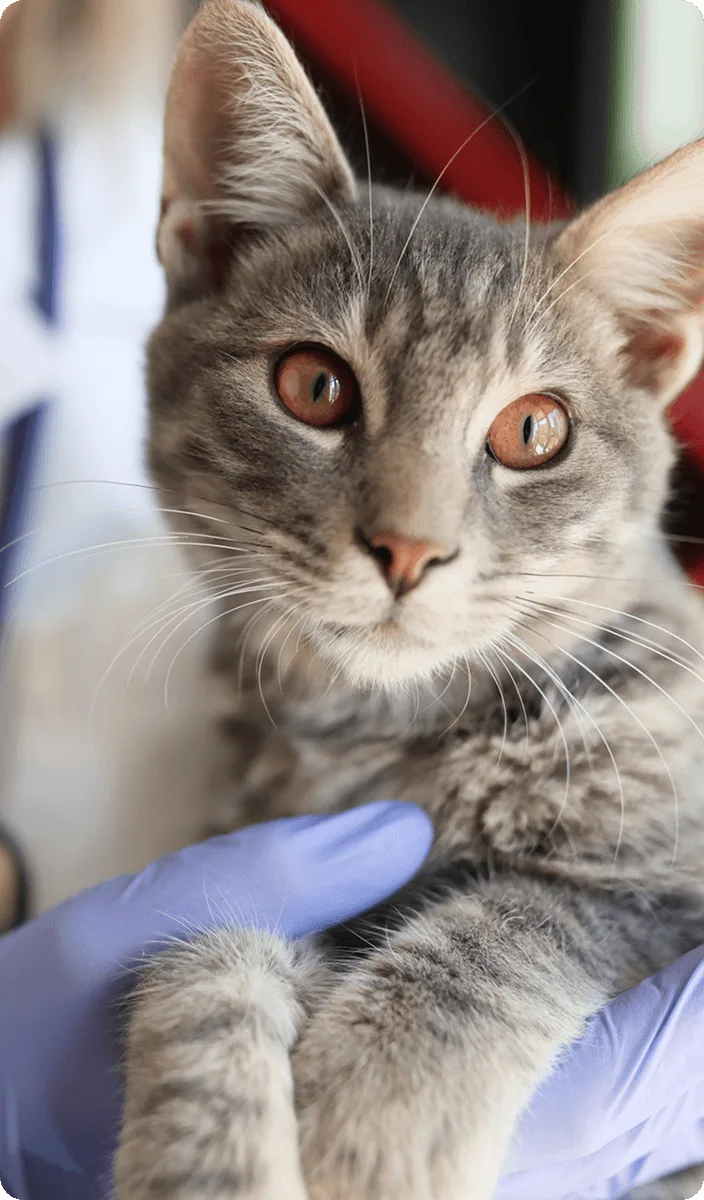
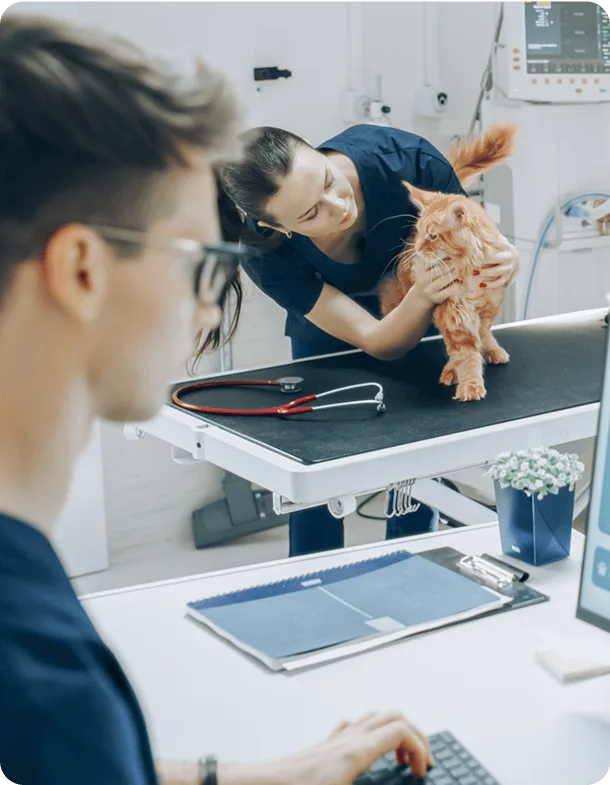
Also called “ovariohysterectomy”, this commonly performed procedure results in the sterilization of female cats and dogs. This procedure involves creating an abdominal incision to remove both the uterus and ovaries. While this surgery does prevent female dogs and cats from becoming pregnant, it also does offer other health benefits, such as: decreased incidence of certain types of cancers (mammary, ovarian, cervical) and prevention of the development of a pyometra.
While the ideal time frame for when this procedure is being studied extensively, our current, general recommendation is to have this performed either prior to or immediately following the first heat cycle to have the highest reduction in mammary cancers. Click here for dogs or here for cats to find the most detailed and up-to-date information about spaying your pet from Veterinary Partner.
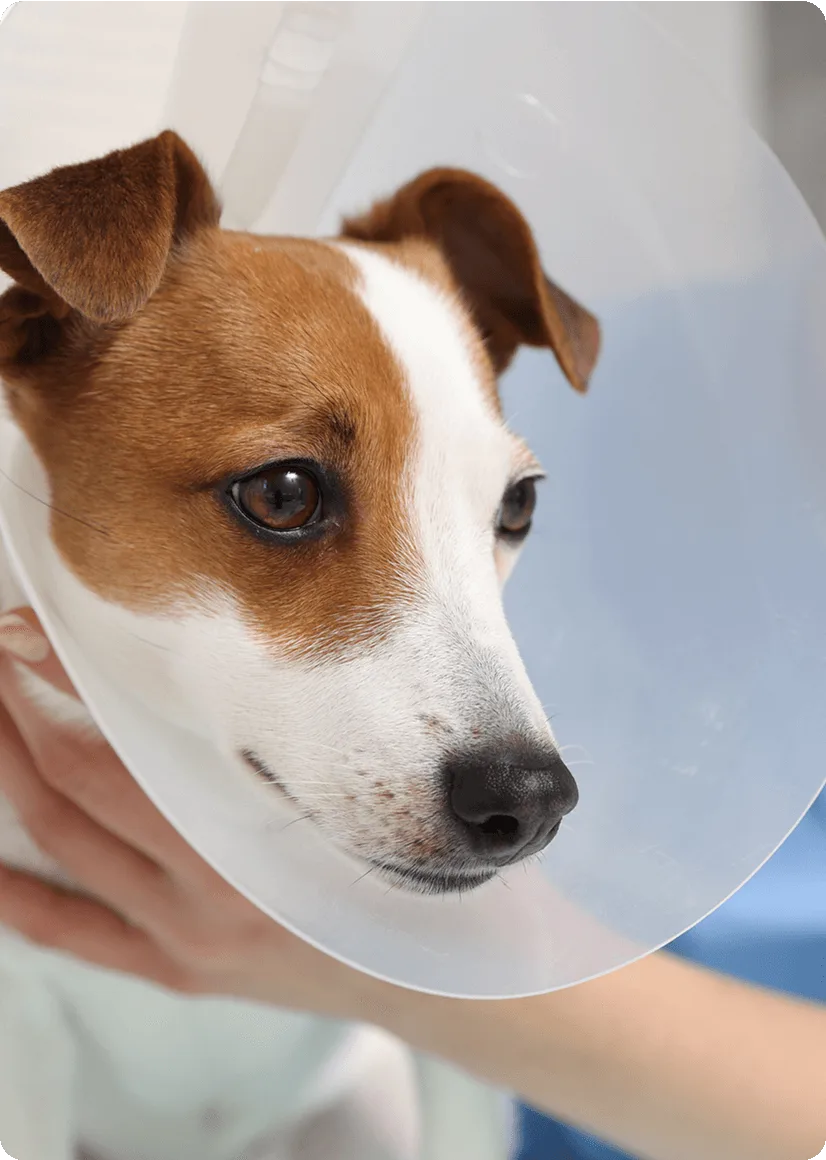
Also termed “orchiectomy,” this surgical procedure results in the sterilization of male cats and dogs. The procedure involves creating a small incision near or on the scrotum to completely remove the testicles.
By performing this, it eliminates the changes of your breeding and having accidental pregnancies, but there are other benefits too! Some of them include: decreased incidence of certain cancer types related to the testicles, tumors that develop due to the influence of testosterone, and elimination of prostatic hyperplasia that can make it difficult to urinate. The best time to have a neuter performed should be discussed with your veterinarian. Generally, smaller breed pets are neutered at an earlier age than larger or giant breed pets.
Click here for dogs or here for cats to find the most detailed and up-to-date information about neutering your pet from Veterinary Partner.
This occurs when a bacterial infection occurs within the uterus. The uterus very quickly becomes abscessed and pus-filled. During this process, bacteria multiply rapidly and cause the uterus to expand quickly. Eventually, bacteria can leak into the abdominal cavity and have life-threatening effects. If left untreated, the uterus can eventually die and rupture, allowing large amounts of bacteria and toxins to seep into the abdomen, which will eventually lead to death. An emergency spay is the treatment of choice when a pyometra occurs, which is one of the biggest reasons veterinarians recommend having your pet spayed.
Click here for the most detailed and up-to-date information regarding pyometra from Veterinary Partner.
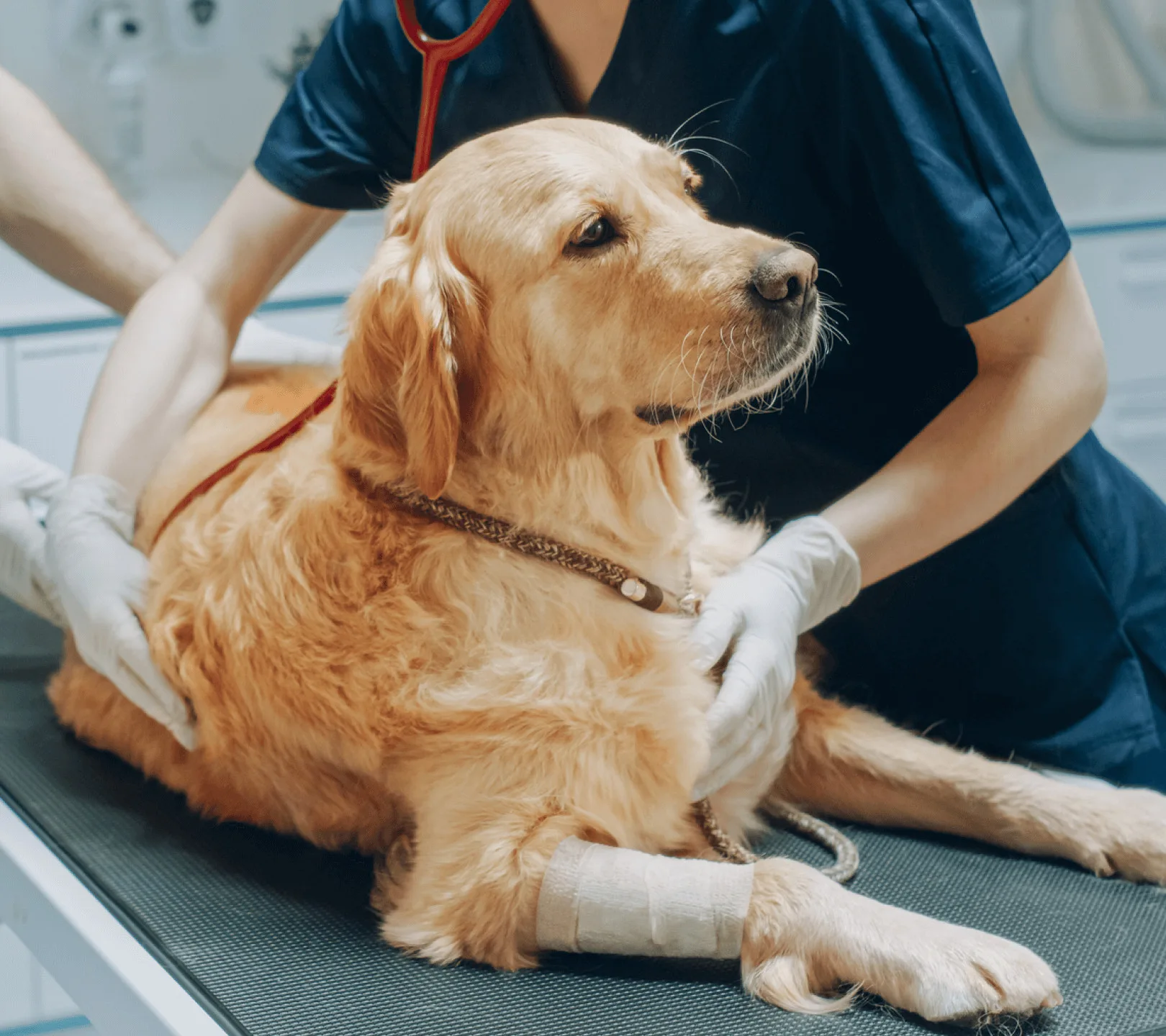
Sometimes, pets will eat things that they shouldn’t (some are more guilty than others). Some of the things that we frequently see eaten include: toys, socks, underwear, strings and plastic just to name a few things (the list could go on forever!). In these situations, pets will frequently need to have these objects surgically removed. This may involve performing a gastrotomy, where the object is removed by making an incision into the stomach and retrieving the object. Other times, it may require an enterotomy, where the object must be removed by making one or more incisions into the intestines to fully remove the object. Foreign body ingestion can quickly become a medical emergency that needs prompt surgical care to have the item removed.
Click here for the most detailed and up-to-date information regarding the different types of foreign bodies and their removal from Veterinary Partner.
(bladder stone removal)
Bladder stones are surprisingly common in both cats and dogs. Stones occur because of crystals that have formed in the urine because of a combination of different events, such as in urine concentration, abnormal urine pH or sometimes even infection. Over time, the crystals start binding to one another and will create a stone, which are called either uroliths or cystoliths. There are several different types of bladder stones that can develop, but if left untreated, they can become extremely painful and problematic. The stones can create chronic bladder irritation leading to recurrent blood in the urine, infection and increased frequency of urination. Some stones may even get stuck in the urethra, making it either difficult or impossible to urinate. While some stones can be dissolved with a diet, surgery is usually warranted once stones reach a certain size. With these procedures, an abdominal incision is created to locate the bladder, which is then incised into as well to fully remove the stones. Stones are then submitted to a laboratory to determine their contents and help us to prevent further stone formation.
Click here for the most detailed and up-to-date information regarding cystotomies and bladder stones from Veterinary Partner.
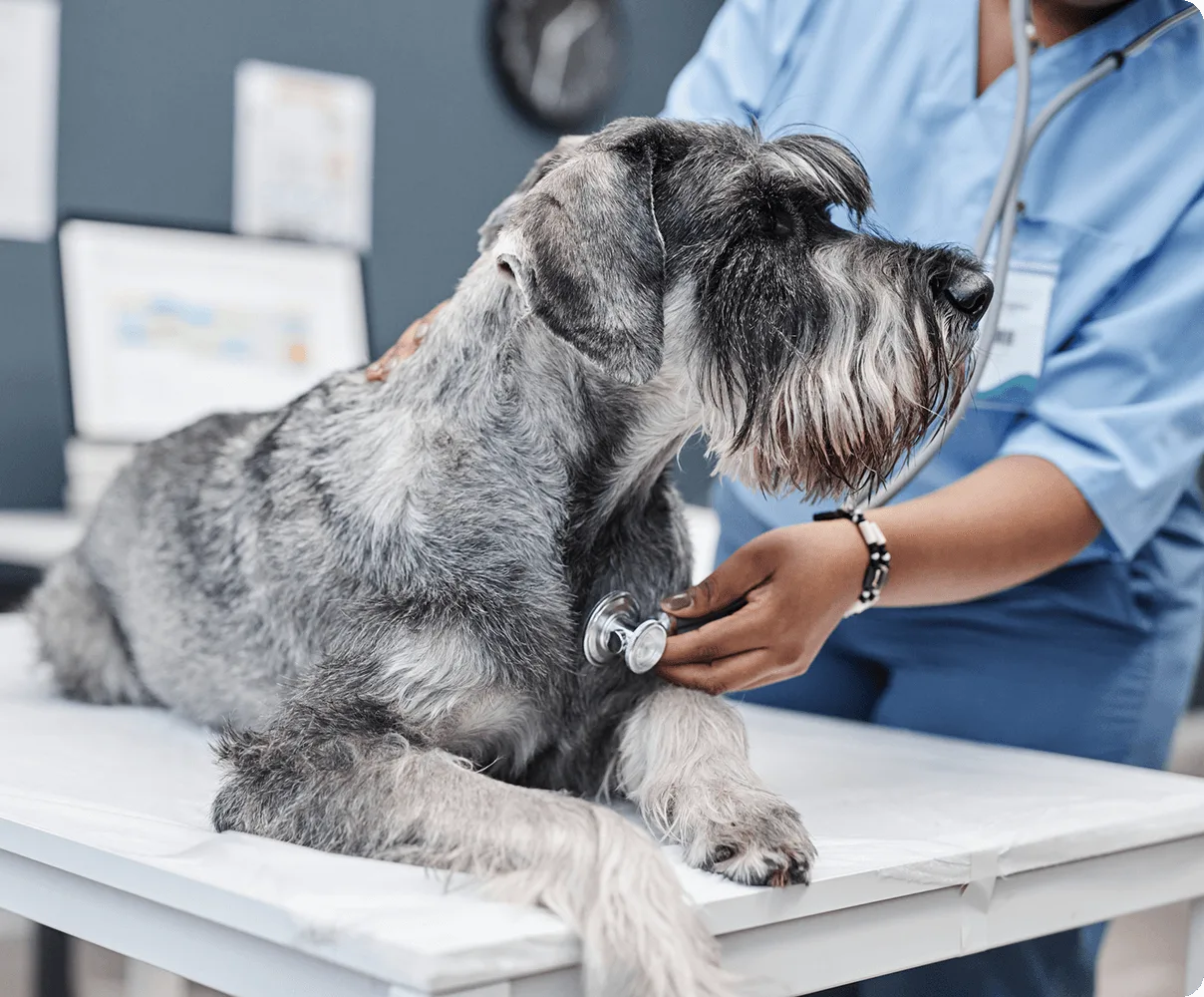
The spleen plays an important role in storing red blood cells, as well as removing old blood cells from circulation, but dogs and cats can actually live without their spleens. Why would you ever want to remove it? Removal of the spleen is actually the treatment for several different scenarios. In dogs, they can develop tumors in the spleen, which could be benign (hemangiomas) or potentially malignant (hemangiosarcomas). In either case, these masses can continue growing and eventually rupture, which can result in life-threatening blood loss. This is unfortunately the most common reason splenectomies are performed. Depending on the degree of blood loss, some pets may even need blood transfusions after the procedure is performed.
Click here for the most detailed and up-to-date information regarding potential reasons for splenectomies from Veterinary Partner.
(eye removal)
In nearly every case, this procedure is performed due to the inability to restore sight to the eye and is also painful. This can occur with things like trauma (e.g. deep scratch, puncture, rupture) or glaucoma that is no longer responsive to medications trying to lower the internal eye pressures. One of the sole focuses of this procedure is to provide pain relief. The other reasons that enucleation could be recommended is due to the development of a tumor, and the only viable approach to remove the entirety of the mass would be to remove the eye.
Click here for the most detailed and up-to-date information regarding enucleations from Veterinary Partner.
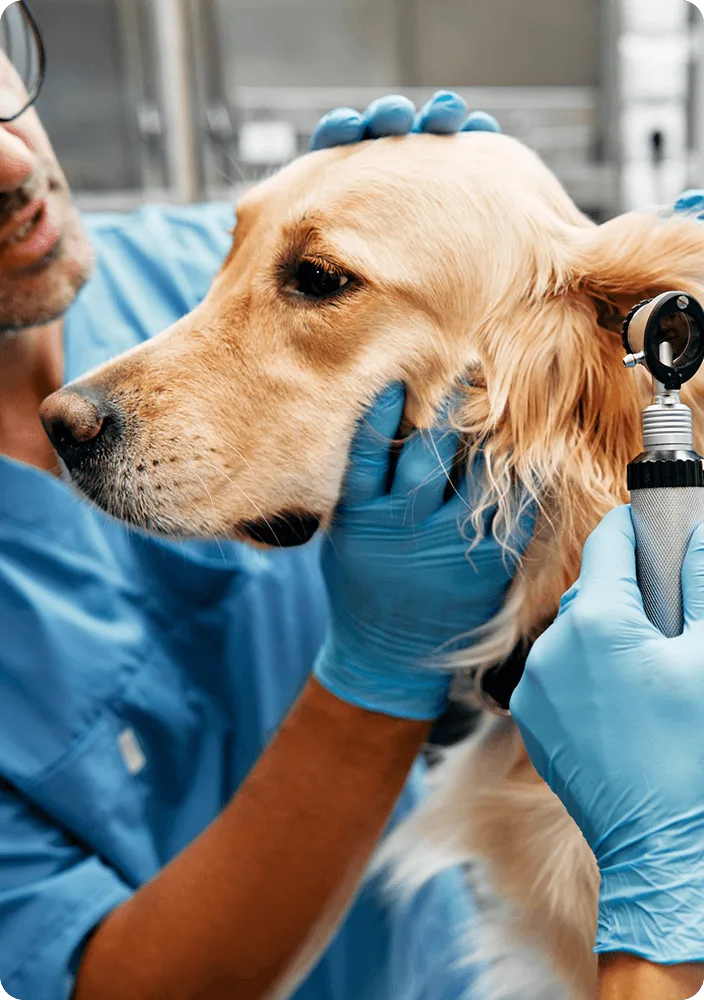
As our pets age, they can develop a number of different tumor growths. Some are benign, such as lipomas, cysts and skin tags to name a few. Others may be malignant (e.g. mast cell tumors, melanomas, soft tissue sarcomas). Because of the highly variable nature of these growths, these will require an appointment for further assessment. At Grit City Vet, we want to make sure all pets have the best possible care, and there ARE situations where our veterinarians may feel that having a board-certified veterinary surgeon perform the procedure. If they feel this is the case, we will work with you to find a local veterinarian to help facilitate the procedure.